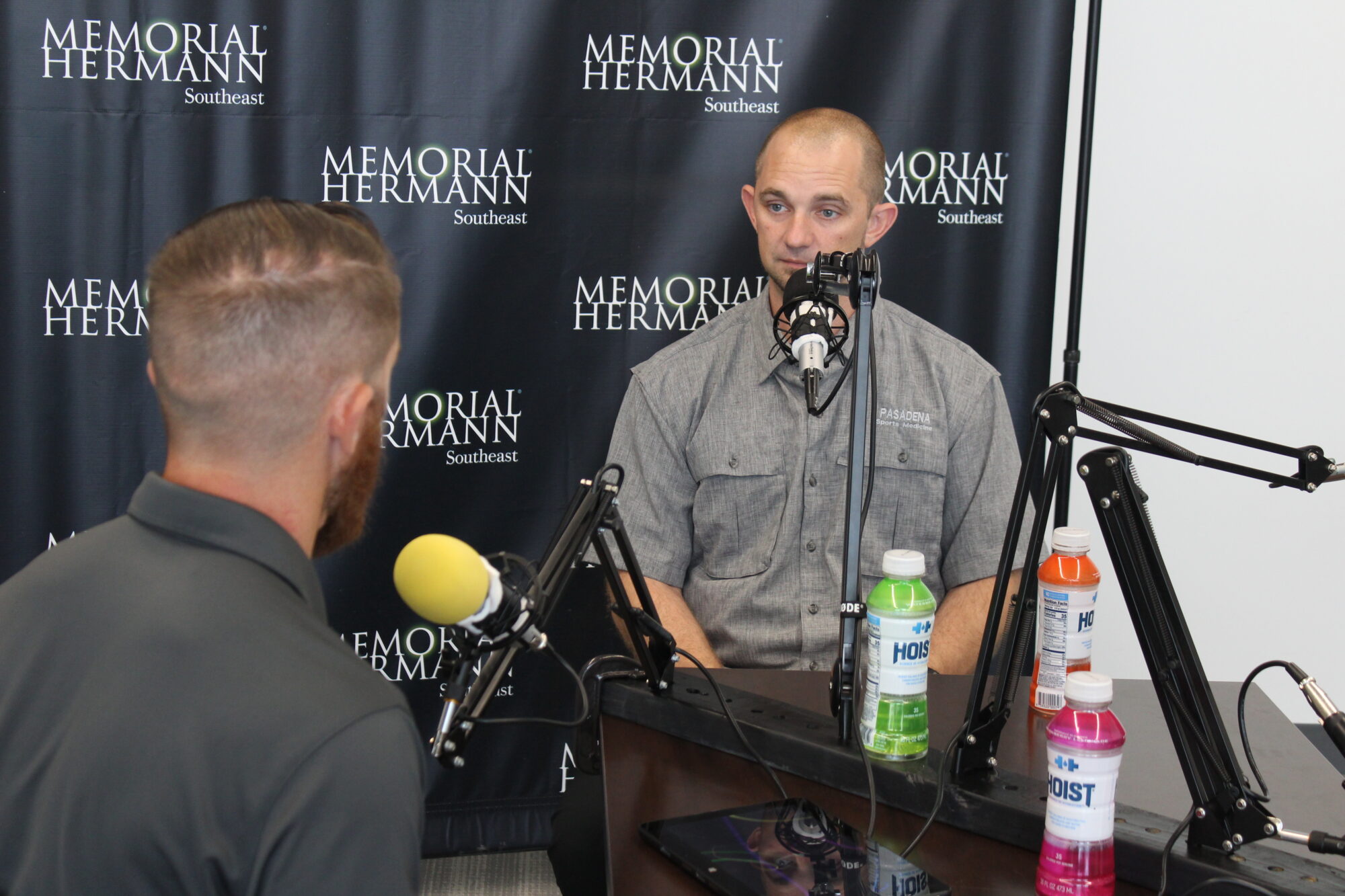
Podcast: Play in new window | Download
Understand asthma in athletes, including environmental triggers, gender disparities, and symptom differentiation.

Q: Is there a correlation between working in an area with chemical plants and developing asthma?
A: Living near chemical plants, such as Pasadena High School, can lead to a higher incidence of asthma due to pollutants. These pollutants can damage tissues and cause respiratory issues, mimicking asthma symptoms. It's not typically an age-related development but rather an environmental factor.
Q: Why do boys seem to have a higher incidence of asthma and injuries in athletics compared to girls?
A: It is possible that the higher incidence of asthma and injuries in boys is due to a greater number of boys participating in athletics. We often diagnose asthma in children who are going to be athletes, and this demographic tends to be more boys than girls. A true genetic cause for this difference is not currently known.
Q: Is there a reason why Black individuals have a higher incidence of asthma?
A: A 2008 study indicated that Black individuals have higher incidences of asthma, followed by White individuals, and then Hispanic individuals. The specific reason for this disparity is not fully understood at this point.
Q: Among triggers like exercise, allergens, and pollution, does one impact asthma more significantly than others?
A: The impact of asthma triggers varies by individual. All of these factors can trigger asthma. For example, some individuals with allergic asthma may experience more severe reactions in rural areas due to pollen, while others may be more affected by industrial air quality problems in urban settings. Allergen tests can help determine an individual's specific triggers.
Q: How often are upper respiratory infections (URIs) confused with asthma?
A: URIs are likely to be confused with asthma, especially in younger patients who have not been tested for asthma. In emergency room settings, albuterol is often administered due to its low risk and typical effectiveness. If a patient improves with albuterol, it can lead to a presumption of asthma or bronchial hyper-responsiveness.
Q: How would you encourage an athletic trainer (AT) if they are unsure whether an athlete truly has asthma or is just out of shape?
A: It is challenging to differentiate between an athlete being out of shape and having asthma, as the symptoms can be very similar. Increased access to medical professionals for diagnosis is encouraged. Athletic trainers should promote education about asthma. It can be a difficult situation, particularly if a coach suggests a student is feigning asthma to avoid participation.
Q: How much does an asthmatic baseline cost, and how beneficial is it for an athletic trainer?
A: An asthmatic baseline device can be beneficial, especially for younger athletic populations, and can be purchased from retailers like Amazon. These devices can be reused if properly cleaned between athletes. Establishing a baseline helps athletic trainers objectively assess an athlete's lung function, determining if intervention or rest is needed before play.
Q: When establishing a baseline for an athlete, should it be tested daily, or only when the athlete feels slowed down?
A: An asthmatic baseline should be established out of season, before the season starts when the athlete is having a normal day and not experiencing symptoms. It should be retested approximately once a year to account for changes in fitness levels and lung capacity as the athlete grows and develops. It is not necessary to test daily, only at the beginning of the season to gauge their baseline.
Q: How does acid reflux mimic asthma symptoms?
A: Acid reflux can mimic asthma, especially in younger individuals who may not be able to articulate their symptoms precisely. They might point to their chest, similar to how they would for cardiac issues, instead of explaining the burning sensation associated with acid reflux. This can lead to a misinterpretation of their discomfort as asthma.
Sponsor List
Frio Hydration – Superior Hydration products.
Xothrm – Best heating pad available – Use “SMB” or email info@xothrm.com and mention the Sports Medicine Broadcast.
Donate and get some swag (like Patreon but for the school)
HOIST – No matter your reason for dehydration, DRINK HOIST
MedBridge Education – Use “TheSMB” to save some money, be entered in a drawing for a second year free, and support the podcast.
Marc Pro – Use “THESMB” to recover better.
Athletic Dry Needling – Save up to $100 when registering through our link.
