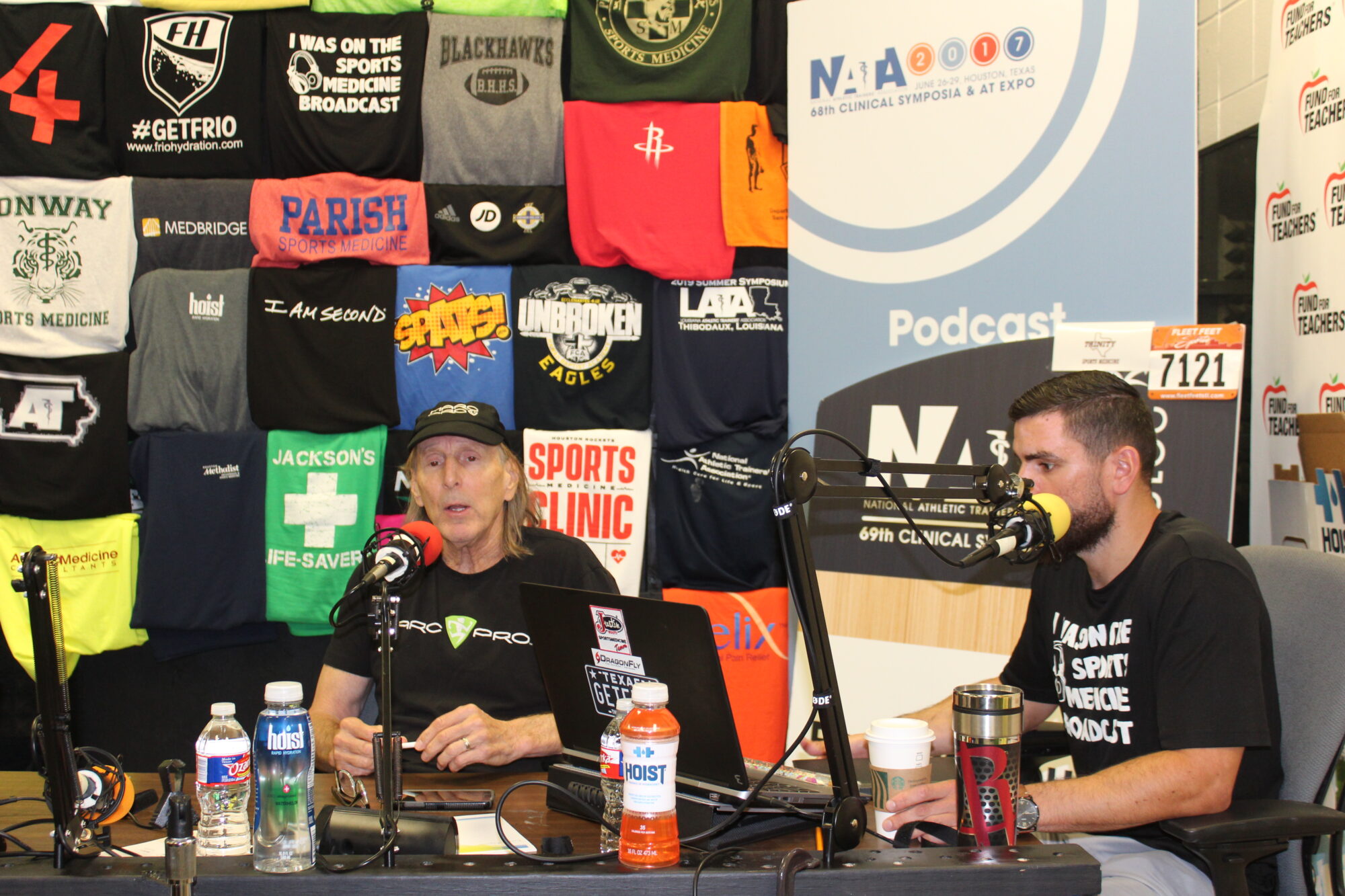
Jeremy Blanchard, MD asks the question: “Are we really providing Patient Based Care?”
In one of the better sessions in a long time, Dr. Jeremy Blanchard demonstrates what it really looks like, sounds like and feels like to provide patient based care.
What is it?
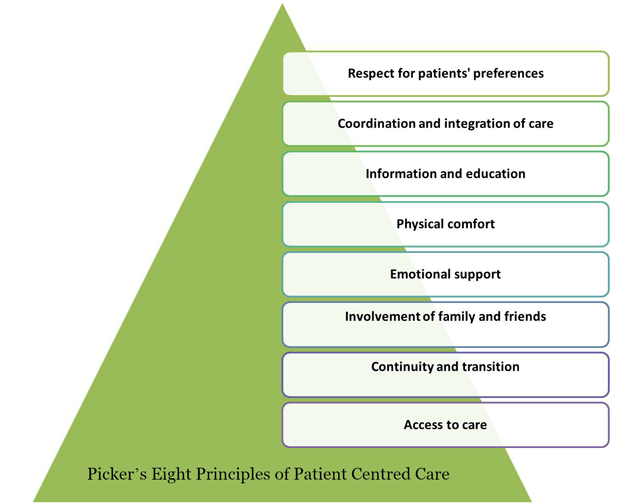
According to Oneview: The IOM (Institute of Medicine) defines patient–centered care as: “Providing care that is respectful of, and responsive to, individual patient preferences, needs and values, and ensuring that patient values guide all clinical decisions
image from Oneview
What is interrupting you?
Research has shown that if you answer a phone notification it will take you about 67 seconds to fully re-engage.
Dr. Blanchard asked us turn our phones to silent and put them away so that we were fully present in the conversation.
What can I do to start now?
At the beginning of this podcast Dr. Blanchard asks us to take a deep breath, hold it and slowly release.
He explains this allows you to step away from what was happening before and step into the current situation “fresh”
This helps clear your mind and prepare you to listen.
DON'T INTERRUPT
11 seconds
Dr. Blanchard stated doctors generally gives you less than 15 seconds to state your reason for visiting before.
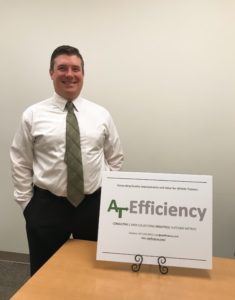
Scott Mullett, founder and owner of AT Efficiency aims to advocate for the value of Athletic Trainers in all settings.
What is your actual ROI?
Who is Scott Mullett?
Founder and owner of AT Efficiency.
Scott received both his bachelor’s and master’s degree from Kent State University. Scott has worked in the secondary school setting, and currently holds a position within the industrial/occupational sector.
Scott’s goal is to advocate the value of the athletic trainer in all settings.
What is AT Efficiency?
Scott Mullett wants to help you produce a means to show value, generate an ROI for stakeholders, and increase clinical efficiency.
Where does Scott start collecting data?
With whatever you have.
If you have none then they will give you some pointers as to where to start but in this day and age of digital documentation you should be documenting your patient visits and notes.
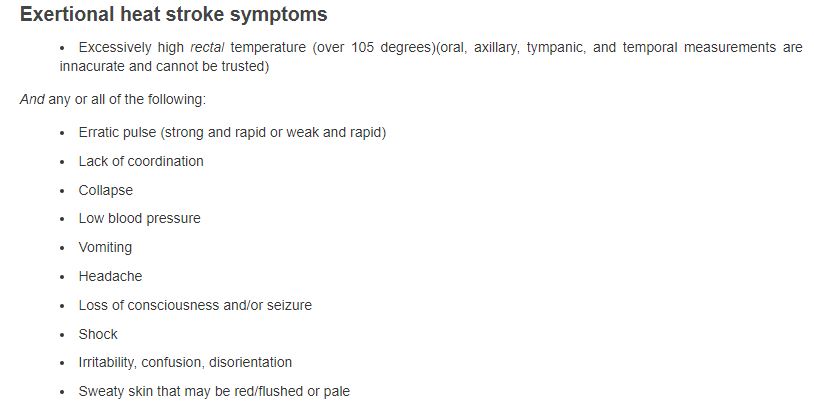
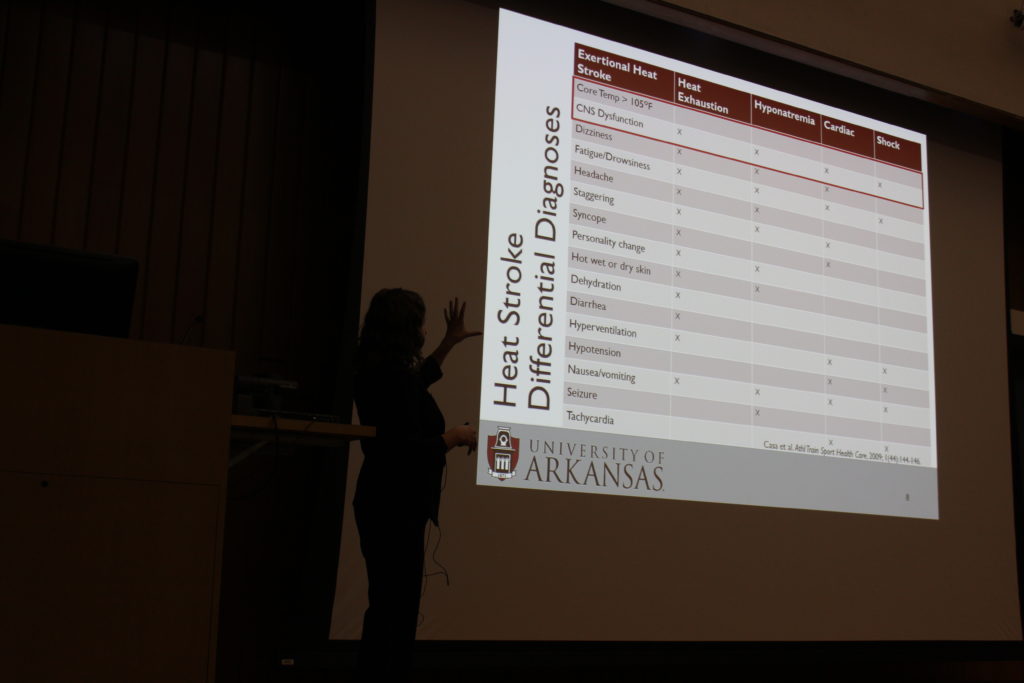
Dr. Lesley Vandermark discusses practical considerations for Exertional Heat Stroke, Identification and care live at Trinity University's 2019 conference.
“While exertional heat illnesses (EHI) are not always a life-threatening condition, exertional heat stroke (EHS) can lead to fatality if not recognized and treated properly. As the word heat implies, these conditions most commonly occur during the hot summer months; however, EHS can happen at any time and in the absence of high environmental temperatures.”
Mike is a Certified Athletic Trainer and Performance Enhancement Coach, but he mostly wants to be known as an EDUCATOR.
He became an AT because he was an injured athlete that slipped through the gaps of the healthcare system.
Treat People, NOT Injuries
Mike lives by this quote in his professional practice.
When people come in for treatment sessions they normally are greeted with a hug.
What is Performance Manual Therapy?
Mike Decided he would rather work 100 hours per week for himself than 40 hours per week for someone else.
He also knew he was really good at manual therapy and wanted to be able to do that for all of his patients and not be concerned with what a supervisor said was a waste of company time.
Performance manual Therapy and Movement Underground are what happens when passion and purpose join for an AT who loves manual therapy and treating patients.
What are the challenges Mike faces owning a business?
“I am not good at Admin stuff…even keeping track of my own schedule is tough for me…”
Working all day and then having to put in the extra work to do the admin part of the job is difficult.
This lifestyle is not for everyone.
Words of Wisdom
There is always a market for quality
None of us stand alone. We all received help to get here, we will need help to grow and will need to help others along the way.
Brandy Curry has been creating a Leadership Mastermind and working closely with Allison Strickland.
Allison is a serial entrepreneur Owning Brace Outfitters, Sheahawk Solutions, being involved in CEU startup EBPcentral
What is a Leadership Mastermind?
The Napolean Hill definition of a mastermind. He is who coined the term in his book Think and Grow Rich. Masterminding is a group of individuals working together for a common goal…maybe professional advancement. There is no 1 person above the other…all minds work together and are equal in bringing ideas forward.
Who is Brandy Currie?
Brandy was previously on our “Leadership in Athletic Training” series hosted by John Ciecko.
She constantly discusses Goal Setting and the value of reflecting on those goals daily.
Who is Allison Strickland?
What can I learn from joining a mastermind?
Sign Me Up…
Ready to get into a leadership mastermind?
Setting new goals to grow and improve daily?
Ready to take extreme ownership of everything in you environment?
Have some more questions before you jump on board?
Brian K Farr, Program director at the University of Texas discusses the current Cervical Spine update regarding injury management, treatment and evaluation recommendations.
Brian Farr has been the Director of the Athletic Training Program since its inception in 2002.
He was instrumental in creating the ATP and has led the program through its initial JRC-AT “candidacy” (2002), CAAHEP accreditation (2006), transition to CAATE accreditation (2006), and CAATE re-accreditation (2011). B
He is the co-director and co-founder of the Longhorns Sports Medicine Camp and Director and founder of the Longhorns Lecture Series for Continuing Education, a professional CEU program for area healthcare professionals.
Brian Farr has delivered more than two dozen professional presentations on a variety of sports medicine topics,
He was lead author on a chapter in Clinical Orthopedic Rehabilitation – An Evidence-Based Approach, 3rd ed and Clinical Orthopedic Rehabilitation – A Team Approach, 4th ed, and co-authored peer-reviewed, published articles in professional journals.
Appropriate care of the Spine Injured Athlete:
Have an EAP with local EMS
Use the “Medical Timeout”
Proper assessment and management of the injury
Remove equipment prior to transport
Equipment removal should be performed by at least 3 experienced rescuers
Know the different equipment for the different sports…and how to remove it
Apply rigid CERVICAL stabilization device prior to transport
Spine injured Athlete should be transported using a rigid immobilization device
NASEMSO does NOT support the use of rigid backboards for transport…only extraction.
Certain situations warrant one but not many spine injuries require transport using a rigid immobilization device
Use techniques to minimize spinal motion
Develop a plan prior to the start of the any events
Patient transport directly to a facility that can handle the spinal trauma.
Collaborate with medical staff, coaches and athletes in prevention of spine injuries
Medical team needs a strong working knowledge of current research
Future research continue to investigate the efficacy of these devices
Actual verbiage from Brian's Cervical Spine Update slides