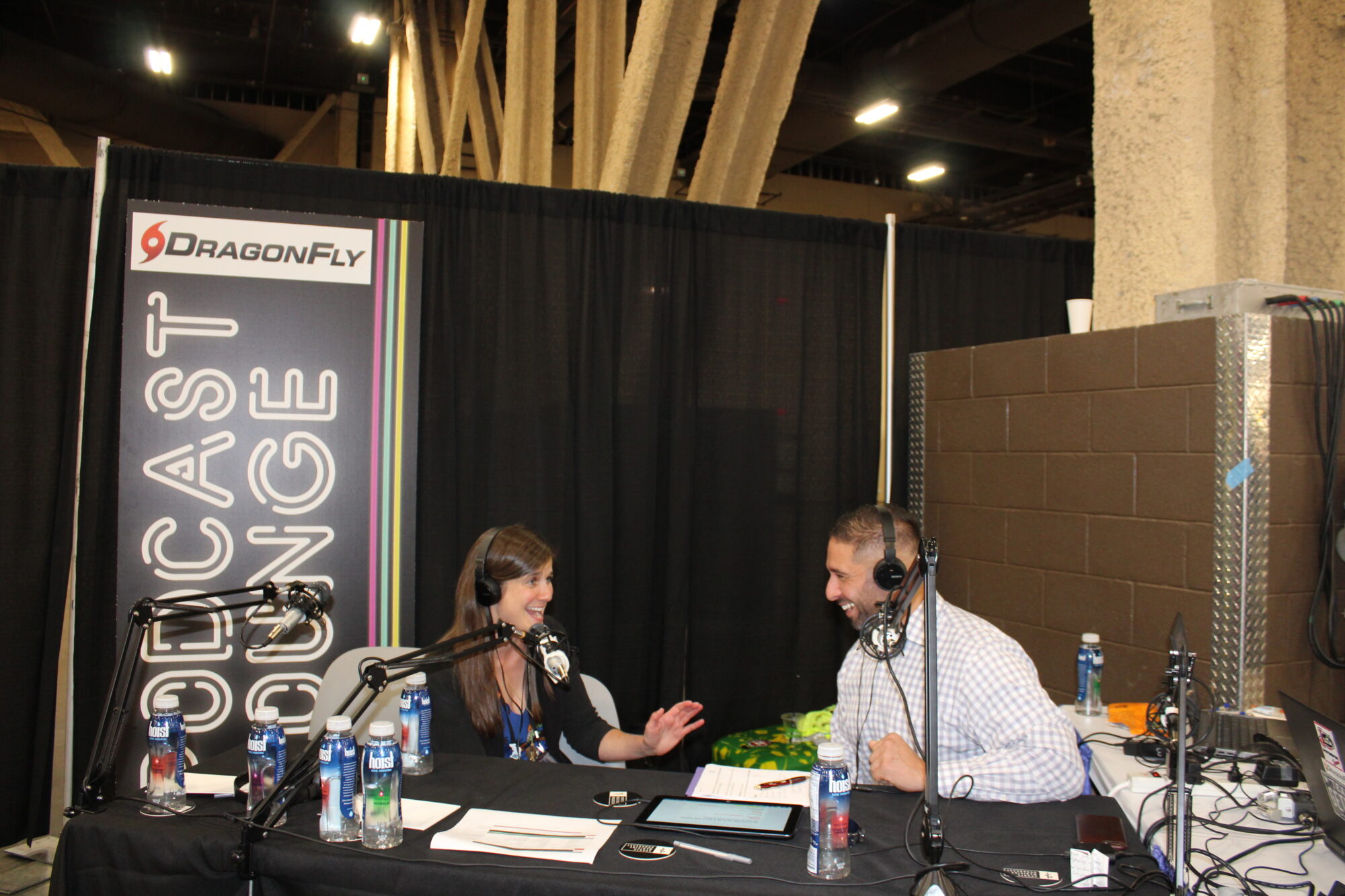
Jodie Kennemer, legal counsel for PISD, shares tips and thoughts to help keep ATs out of legal trouble on social media.
We work through her presentation and provide general advice but then dig deeper into the more grey areas that we might not consider as being questionable.
A couple of basic rules:
If you think its questionable then it is.
Never post or while in in altered state of mind (drunk, angry, traumatic events…)
If you would not say or show it to your young child don't say it on social media.
Make sure that your account is open to parents and admin.
90% of inappropriate relationships involve texting or messaging of some sort.
Tools:
Remind – keeps numbers private and all messages can be seen. It also allows you to set office hours so messages before or after a certain hour receive a warning.
Hootsuite – can schedule posts for multiple platforms and can also give access to another person to help manage and edit posts.
Helicopter parents area parents who take an overprotective or excessive interest in the life of their child or children according to Dictionary.com
Owen Iseminger works with more affluent students and parents who tend to be in this group more often. Through 8 years in this setting he has learned some tips and tricks for dealing with Helicopters.
Be on top of your evaluations
Explain multiple possibilities and how the rehab plan will help the total body.
Don’t be annoyed or upset if they want a 2nd opinion.
Set them up with the best physician you can even if something minor, they expect to see the best.
Win trust of other parents. They talk to each other and good gossip about you goes a long way.
Make them feel like their child is important, if they feel like they are 1/100s they won’t accept that.
Always stay professional
Go the extra mile to update them on injuries
Have coaches support, as they will go ask coach about the athletic trainer or for updates.
Even if kid is not injured, have a relationship with the parent, even if it’s, just a simple hello and asking how their kid is doing.
Singer holds a bachelor’s in nutrition from Texas Christian University and is currently pursuing a master’s in nutrition. During his time as a dietitian, Brett has worked with a variety of individuals in both the inpatient and outpatient settings. He enjoys strength training and playing soccer.
Dr. Ott is a founding and executive board member of the Sports Neuropsychological Society. She served as Co-Chair for the 2nd Annual Sports Neuropsychology Society Concussion Symposium held in Dallas Texas. She was a key member of the task force that developed verbiage for a sports concussion bill in Texas known as Natasha’s Bill. This bill, signed into law in June 2012, establishes return-to-play guidelines for school-aged athletes with concussions.
Dr. Summer Ott is an Assistant Professor in the Department of Orthopedic Surgery at McGovern Medical School at The University of Texas Health Science Center at Houston (UTHealth). She also serves as the Director of the Concussion Program at Memorial Hermann Ironman Sports Medicine Institute.
Dr. Ott is a Neuropsychologist specializing in sports related concussions. She has extensive clinical and research experience with sports related concussions. She currently serves as the team neuropsychological consultant for the Houston Texans and Houston Rockets, as well as many universities and school districts in Texas. Previously, Dr. Ott served as a neuropsychology consultant for the Houston Dynamo and the Houston Aeros. Follow up interview