Podcast: Play in new window | Download
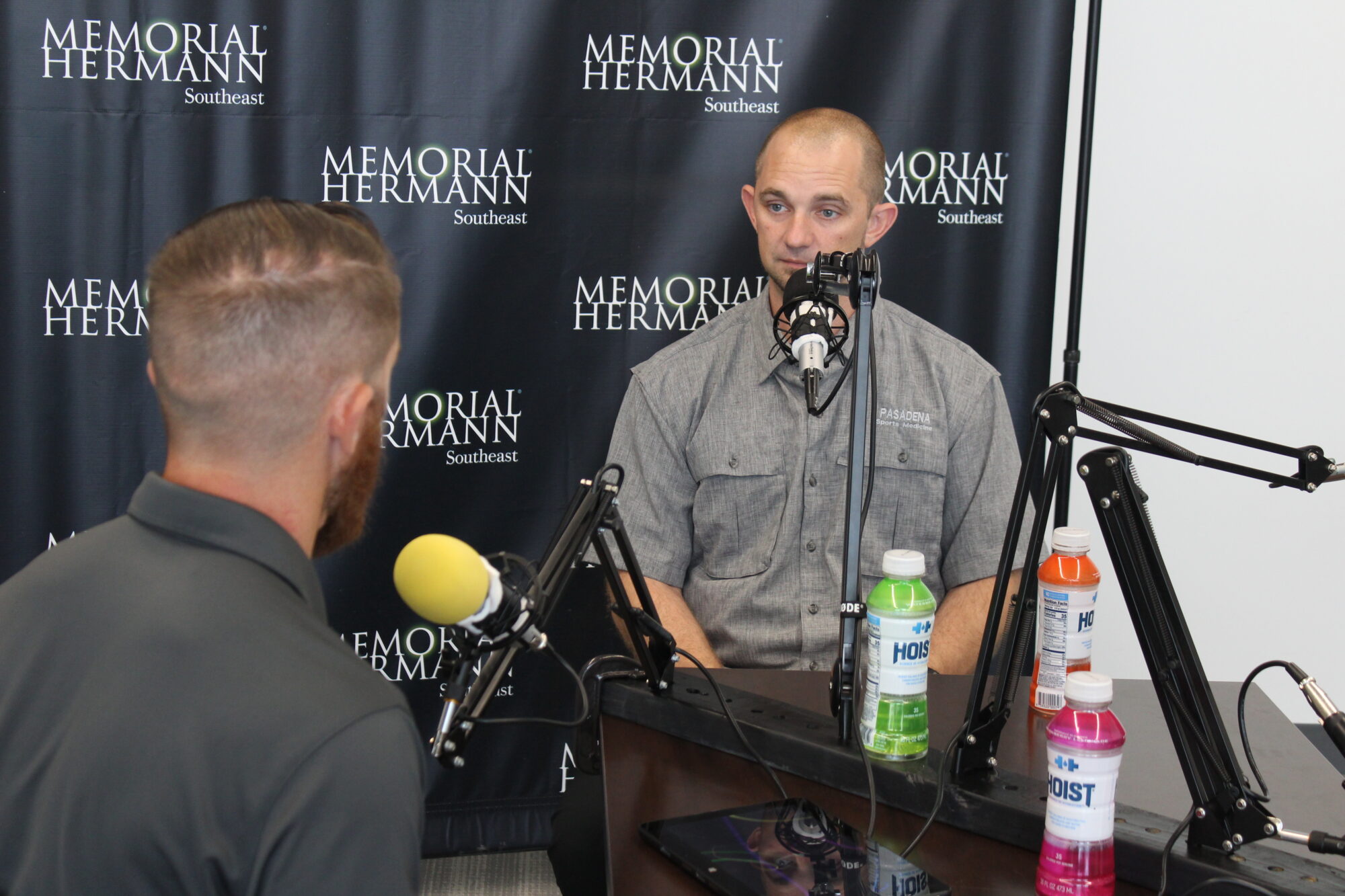
Explore GI evaluations, red flags, the gut-brain axis, and supplement trends with Dr. Sean Healy on the Sports Medicine Broadcast hosted by Chase Morales.
Sports Medicine Broadcast
A Podcast to Promote and Improve Your Practice as an Athletic Trainer
Executive Summary
Gastrointestinal (GI) complaints are among the most common yet challenging non-musculoskeletal issues encountered by athletic trainers in clinical and sideline settings. In this episode of the Sports Medicine Broadcast, host Chase Morales sits down with team physician Dr. Sean Healy to break down essential GI examination techniques, triage methods for acute abdominal pain, the interplay between psychological health and Irritable Bowel Syndrome (IBS), and practical guidance on supplement safety and gastroenteritis management.
Key Takeaways for Athletic Trainers
1. Basic Physical Examination & Quadrant Triage
Evaluating abdominal complaints begins with taking a structured patient history and correlating symptoms to specific anatomical quadrants. When evaluating an athlete presenting with abdominal discomfort:
- Quadrant Mapping: Correlate localized pain to underlying structures (e.g., right lower quadrant pain suggesting appendicitis).
- Pain Trajectory: Pay close attention to how pain migrates. For instance, appendicitis often originates periumbilically before localizing to the right lower quadrant over several hours.
- History Taking: In younger or pediatric athletes, reframe questions in multiple ways to obtain an accurate clinical timeline.
2. Immediate Red Flags & Triage Thresholds
Distinguishing urgent medical conditions from benign or non-urgent GI distress is vital for quick referral. Dr. Healy highlights several immediate red flags requiring urgent higher-level care:
| Red Flag Symptom | Clinical Concern | Recommended Action |
|---|---|---|
| Fever | Systemic infection/inflammation | Measure body temperature; urgent referral if elevated |
| Persistent Vomiting | Obstruction, severe gastroenteritis, dehydration | Evaluate fluid status; withhold oral intake; refer |
| Hematochezia or Hematemesis | Active gastrointestinal hemorrhage | Immediate emergency/physician referral |
| Rebound Tenderness / Guarding | Peritoneal irritation (peritonitis) | Avoid deep palpation; immediate physician transfer |
3. The Gut-Brain Axis and Managing IBS
The relationship between neurological/psychiatric factors—such as anxiety and performance stress—and GI motility is significant.
- Gut-Brain Correlation: Pre-competition anxiety commonly manifests as lower GI distress or IBS flares.
- Treatment Considerations: While some anti-anxiety medications can cause secondary GI side effects, others resolve both neurological and intestinal symptoms simultaneously.
- Conservative Strategies: Talk therapy and dietary adjustments (e.g., low-fat, Mediterranean diet, or avoiding spicy foods and alcohol) are effective non-pharmacological tools.
4. Navigating Supplement Trends and Hydration
With the rise of protein-dense foods and pre-workout products, athletes are consuming high quantities of nutritional supplements.
- Hydration Demands: High protein intake and creatine supplementation increase systemic fluid needs. Inadequate hydration alongside high protein consumption often leads to constipation.
- Pediatric Oversight: Athletic trainers should ensure coaches, parents, and guardians are aware when youth or high school athletes are using specialized supplements.
5. Acute Gastroenteritis & Over-the-Counter Cautions
When managing acute gastroenteritis or suspected “stomach bugs”:
- Avoid Early Imodium (Loperamide): In the first 24 to 48 hours of suspected infectious diarrhea, avoid anti-diarrheal agents like Imodium. Trapping infectious pathogens within the GI tract can prolong illness and delay recovery.
- First-Line Care: Prioritize oral rehydration solutions (electrolyte beverages like Gatorade or Powerade) and diet progression. Most viral gastroenteritis cases self-resolve within 24 to 72 hours.
6. Destigmatizing GI Health and Step-Up Referral
Athletes often feel hesitant or embarrassed to report gastrointestinal issues. Athletic trainers should work to normalize gut health conversations and establish a progressive referral pipeline:
Athletic Trainer Assessment -> Primary Care Physician (PCP) -> GI Specialist
Guest Contact Information
Dr. Sean Healy can be reached directly for professional inquiries via email:
- Email: Sean.T.Healy@uth.tmc.edu
Podcast Credits
- Host: Chase Morales
- Audio Engineer: Shelby Gaytan
- Equipment provided by: Russell Sadberry
- Recording made possible by: Bob Marley and the Memorial Hermann Rockets Sports Medicine Institute team
Presentation on YouTube: https://youtu.be/jNlHXVZti9k